
-
×
 90° tee with drain plug 3" for pellet stoves
1 × 85.00€
90° tee with drain plug 3" for pellet stoves
1 × 85.00€

Matt black single wall flues
85.00€ inc. VAT


Chimney Flues
Price range: 90.00€ through 120.00€ inc. VAT

Chimney Flues
Price range: 100.00€ through 120.00€ inc. VAT

Chimney Flues
Price range: 100.00€ through 125.00€ inc. VAT

Chimney Flues
Price range: 100.00€ through 105.00€ inc. VAT

Chimney Flues
Price range: 110.00€ through 140.00€ inc. VAT

Chimney Flues
Price range: 110.00€ through 150.00€ inc. VAT

Out of stock
Chimney Flues
110.00€ inc. VAT

Chimney Flues
175.00€ inc. VAT

Chimney Flues
Price range: 200.00€ through 250.00€ inc. VAT
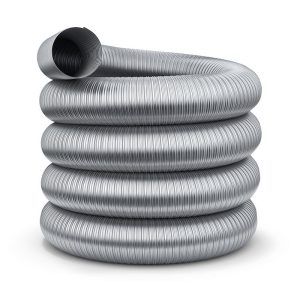

Chimney Flues
230.00€ inc. VAT

Chimney Flues
235.00€ inc. VAT
Chimney Flues
315.00€ inc. VAT
Chimney Flues
320.00€ inc. VAT

Chimney Flues
400.00€ inc. VAT
Chimney Flues FAQs
Which chimney flue do I need for my stove?
It depends on whether your house already has a chimney. With an existing masonry chimney, the usual setup is a flexible liner running inside the chimney, joined to the stove by a short length of single wall pipe in the room. Our two-ply flexi flues handle the liner and our matt black single wall flues make the connection, with adapters and plates to join the two. Where there is no chimney at all, you need a twin wall system instead, which is covered in the next question.
What is the difference between single wall and twin wall chimney flues?
Single wall flue is a matt black steel pipe used inside the room, running from the stove outlet to the chimney. Its surface gets very hot, so it must keep a safe distance from anything combustible and cannot pass through ceilings, floors or outside walls. Twin wall flue has insulation between an inner and outer stainless steel skin, so it can run through the house, up an external wall or out through the roof. The insulation also keeps flue gases warm for a stronger draw. We stock twin wall chimney flues in black and silver.
What size chimney flue do I need?
Match the flue diameter to the outlet on your stove, and never reduce it below that size. The outlet is listed in the specification on each product page across our stoves range. Our flexi flue kits come in 80mm, 130mm and 150mm, with the smallest size suiting compact appliances such as many pellet stoves. Your installer will also confirm the flue size building regulations require for the fuel you plan to burn, and measure the chimney to make sure the liner will fit down it before anything is ordered.
Do I need to line my chimney before fitting a stove?
In most older Irish homes, yes. Original chimneys are often unlined or have cracked clay liners, which can leak fumes, weaken the draught and let tar build up. A stainless steel liner gives the stove a sealed, smooth run to the top of the chimney. Our two-ply liners are made from 316L grade stainless steel, HETAS approved and fitted from the top down, and the kits include the adapter, plate, clamp and rain cap. Ask one of our recommended fitters to survey the chimney first, and have it swept at least once a year once the stove is in use.